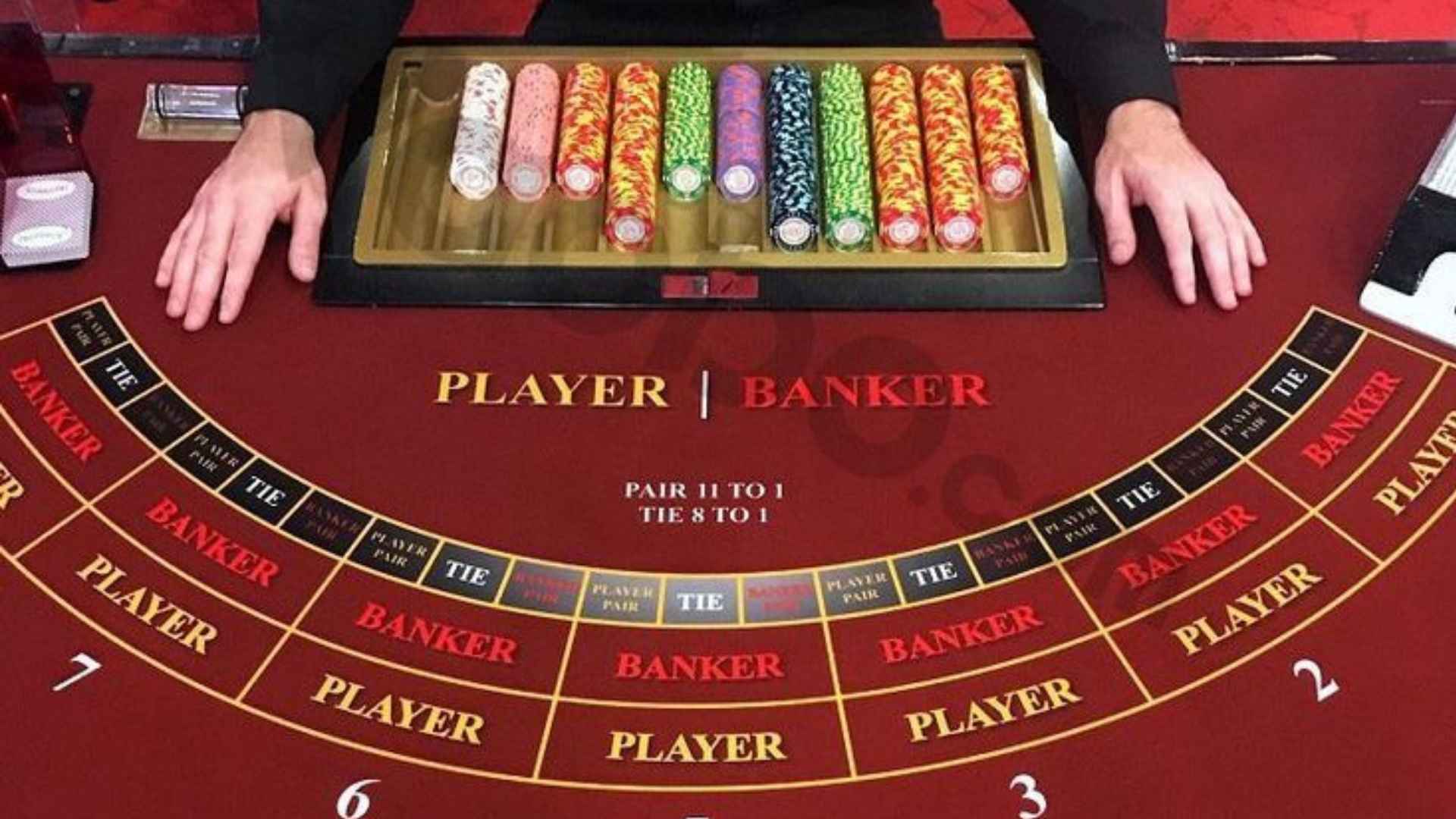
Mastering the dynamics of a live or virtual poker environment requires far more than just understanding hand rankings and basic mathematical probabilities. Developing a keen sense of table awareness allows players to gather subtle environmental clues and anticipate the strategic actions of their opponents before making crucial betting decisions. By shifting focus from internal cards to the entire playing field, individuals can significantly elevate their long-term competitive results.
The Foundations of Observational Focus
True table awareness starts with active tracking of how chips move and how players behave during standard game interactions. Paying close attention to physical or structural shifts even when you are not involved in a hand yields invaluable data for later rounds. This consistent practice trains your mind to recognize critical changes in table speed and individual betting tendencies automatically.
Many intermediate players make the common mistake of looking down at their phones or distracting themselves between active folds. Maintaining consistent observation ensures you detect exactly who is growing frustrated or who is playing with maximum confidence. Over time, these small observations accumulate into a profound strategic advantage that separates analytical pros from casual participants.
Decoding Physical and Strategic Tells
Recognizing the deep psychological patterns behind rapid bets or sudden pauses can reveal the true strength of an opponent's hidden range. Evaluating how variables like breathing patterns, posture changes, and chip handling fluctuate helps build an accurate mental profile of the competition. Combining these behavioral metrics with strict mathematical observations forms a highly robust defense against complex deceptive plays.
To enhance your overall strategic capabilities, utilizing trusted platforms like the M88 Msports Login portal can provide excellent resources for studying professional game theory. Understanding how seasoned professionals maintain composure under heavy economic pressure offers clear guidelines for your own development. Applying these balanced concepts helps eliminate visible tells and keeps your strategies completely unpredictable.
Managing Seating and Position Advantages
Your physical or virtual position relative to aggressive rivals dictates the overall profitability of your tactical adjustments throughout a session. Sitting to the direct left of a highly active player allows you to observe their actions before committing your own chips. This structural positioning gives you the ultimate control to exploit wide opening ranges and minimize high-risk exposure.
Conversely, being trapped out of position requires a highly disciplined approach and a significant narrowing of your starting hand criteria. Adapting your opening frequencies based on who has yet to act behind you prevents unnecessary losses in multi-way pots. Mastering these positional shifts transforms basic table awareness into a highly practical tool for consistent capital preservation.
Psychological Adaptations for Longevity
Sustaining absolute mental clarity during extended competitive sessions prevents emotional fatigue and costly strategic mistakes known as tilt. Recognizing your own psychological baseline allows you to step away or adjust your style when focus begins to wane. A truly self-aware competitor notes how external factors like tiredness directly affect their cognitive processing speeds.
Building strong mental habits ensures that every decision remains grounded in logic rather than short-term emotional responses. Integrating deliberate mindfulness practices into your routine helps maintain peak operational awareness across diverse tournament conditions. Ultimately, refining these high-level observational skills converts temporary winning streaks into permanent, sustainable success.